Top 5 Bookkeeping Mistakes Beginners Make (and How to Fix Them)
When you’re starting a business, bookkeeping often feels confusing or intimidating. Many beginners think they can “fix it later,” but small bookkeeping mistakes can quickly turn into big problems, especially at tax time.
The good news? Most bookkeeping mistakes are easy to fix once you know what to look for. Here are the top five bookkeeping mistakes beginners make and exactly how to correct them.
Mixing Personal and Business Finances
The Mistake:
Using one bank account for both personal and business expenses.
Why It’s a Problem:
It creates confusion, makes tax prep harder, and can put deductions at risk.
How to Fix It:
Open a separate business checking account and use it only for business income and expenses. Pay yourself through owner’s draws or a salary instead of mixing funds.
Not Tracking Expenses Consistently
The Mistake:
Waiting until the end of the month—or worse, the end of the year—to record expenses.
Why It’s a Problem:
You forget purchases, miss deductions, and end up with inaccurate records.
How to Fix It:
Schedule a weekly bookkeeping check-in. Even 15–20 minutes a week keeps your books clean and manageable.
Ignoring Receipt Management
The Mistake:
Losing receipts or assuming bank statements are enough.
Why It’s a Problem:
The IRS may require proof for deductions, and missing receipts can cost you money.
How to Fix It:
Save digital copies of receipts using bookkeeping software or cloud storage. Create folders by month or category for easy access.
Skipping Monthly Reconciliation
The Mistake:
Never reconciling bank and credit card statements.
Why It’s a Problem:
Errors, duplicate transactions, and missing income go unnoticed.
How to Fix It:
Reconcile accounts monthly to ensure your books match your bank statements. This helps catch issues early and keeps records accurate.
Not Setting Aside Money for Taxes
The Mistake:
Spending all your income without planning for taxes.
Why It’s a Problem:
Tax season arrives with an unexpected bill—and stress.
How to Fix It:
Set aside 20–30% of income in a separate savings account and track estimated quarterly tax payments if required.
Bookkeeping mistakes are common but they don’t have to hold you back. By separating finances, staying consistent, and reviewing your books regularly, you’ll save time, reduce stress, and keep your business financially healthy. Pick one mistake from this list and fix it this week. Small changes now prevent big problems later.
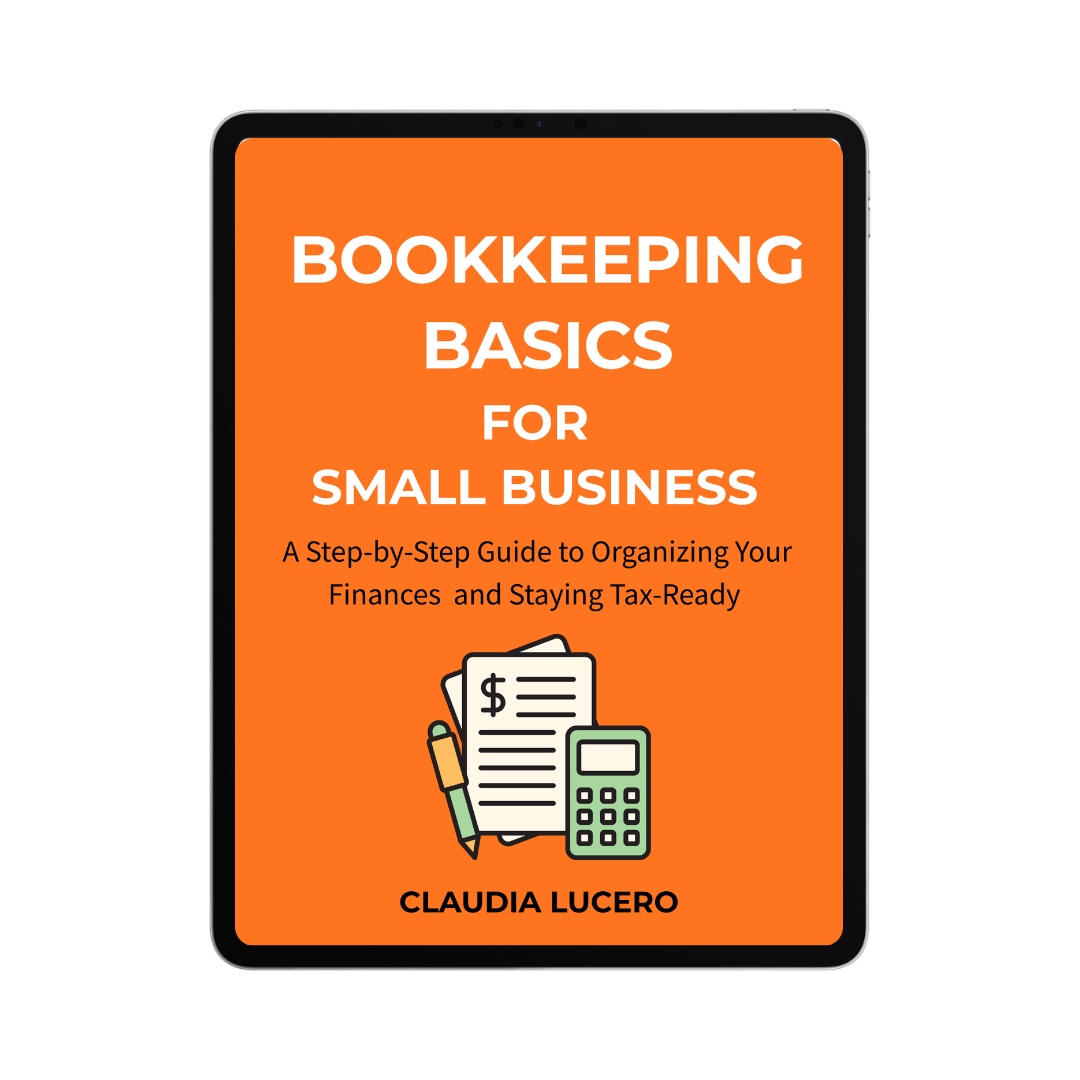
This beginner-friendly guide teaches small business owners the bookkeeping basics they need to stay organized and in control of their finances. Learn how to track income and expenses, understand your numbers, and keep clean books year-round.
SHARE


Subscribe now.
Sign up for our newsletter to receive expert bookkeeping tips and be the first to know about new e-books.
Copyright 2026 © Thriving Bookkeeping LLC - Privacy policy • Terms of service