Bookkeeping Basics Every Business Owner Should Know Before Tax Season
Tax season can feel overwhelming—but it doesn’t have to. With solid bookkeeping habits in place, you’ll save time, reduce stress, and avoid costly mistakes when it’s time to file. Whether you’re a solo entrepreneur or running a small team, understanding bookkeeping basics is the best way to prepare.
Here are the key bookkeeping steps every business owner should know before tax season.
1. Keep Business and Personal Finances Separate
One of the most common mistakes small business owners make is mixing personal and business transactions. Open a dedicated business checking account and, if possible, a business credit card. This makes it easier to:
Track deductible expenses
Prove business income to the IRS
Avoid messy records at tax time
If it’s a business expense, keep it in the business account.
2. Track Income and Expenses Consistently
Consistency is your best friend. Record transactions weekly (or even daily) so nothing slips through the cracks. Key expenses to track include:
Office supplies and software
Marketing and advertising costs
Business meals and travel
Professional fees (lawyers, accountants, consultants)
Small purchases add up—don’t forget to record them.
3. Save and Organize Receipts
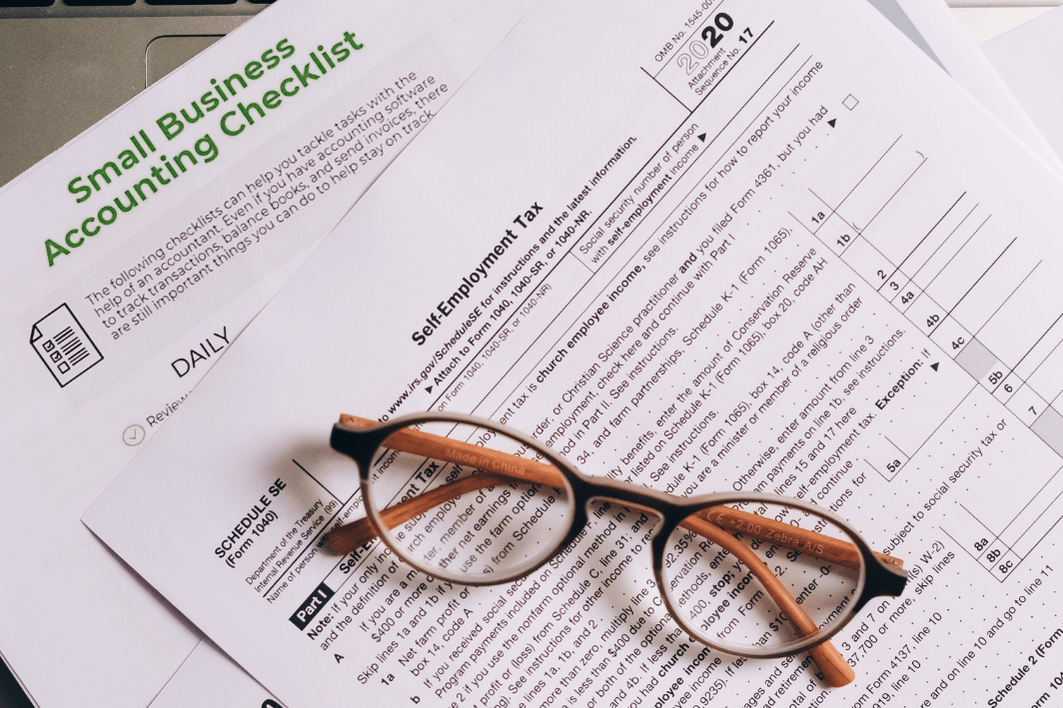
The IRS requires proof for many deductions, so always keep receipts. Go digital by using bookkeeping software or apps to snap pictures of receipts and store them in the cloud. This makes retrieval fast and easy if you’re ever audited.
4. Reconcile Bank and Credit Card Statements
Every month, reconcile your bank statements with your bookkeeping records. This ensures:
No missed income or expenses
No duplicate entries
Quick detection of errors or fraud
Think of reconciliation as a monthly financial “health checkup.”
5. Know Your Deductible Expenses
Many entrepreneurs miss out on deductions because they don’t know what qualifies. Some common ones include:
Home office expenses
Internet and phone bills
Business insurance
Vehicle mileage for business use
Education or training related to your work
The more you track, the more you save.
6. Stay Ahead on Estimated Taxes
If you expect to owe more than $1,000 in taxes, you may need to pay quarterly estimated taxes. Accurate bookkeeping helps you project your income so you can budget for these payments and avoid penalties
7. Generate Financial Reports
Before tax season, review key reports:
Profit & Loss Statement → Shows income vs. expenses
Balance Sheet → Lists assets, liabilities, and equity
Cash Flow Statement → Tracks how money moves in and out
These reports help you (and your tax preparer) understand your business health.
Bookkeeping isn’t just about surviving tax season, it’s about setting your business up for success all year long. By separating finances, tracking consistently, and knowing your deductions, you’ll save money, reduce stress, and walk into tax season with confidence.
Set aside time this week to reconcile your accounts, organize receipts, and update your income/expense records. Your future self and your tax preparer will thank you.

SHARE


Subscribe now.
Sign up for our newsletter to receive expert bookkeeping tips and be the first to know about new e-books.
Copyright 2026 © Thriving Bookkeeping LLC - Privacy policy • Terms of service